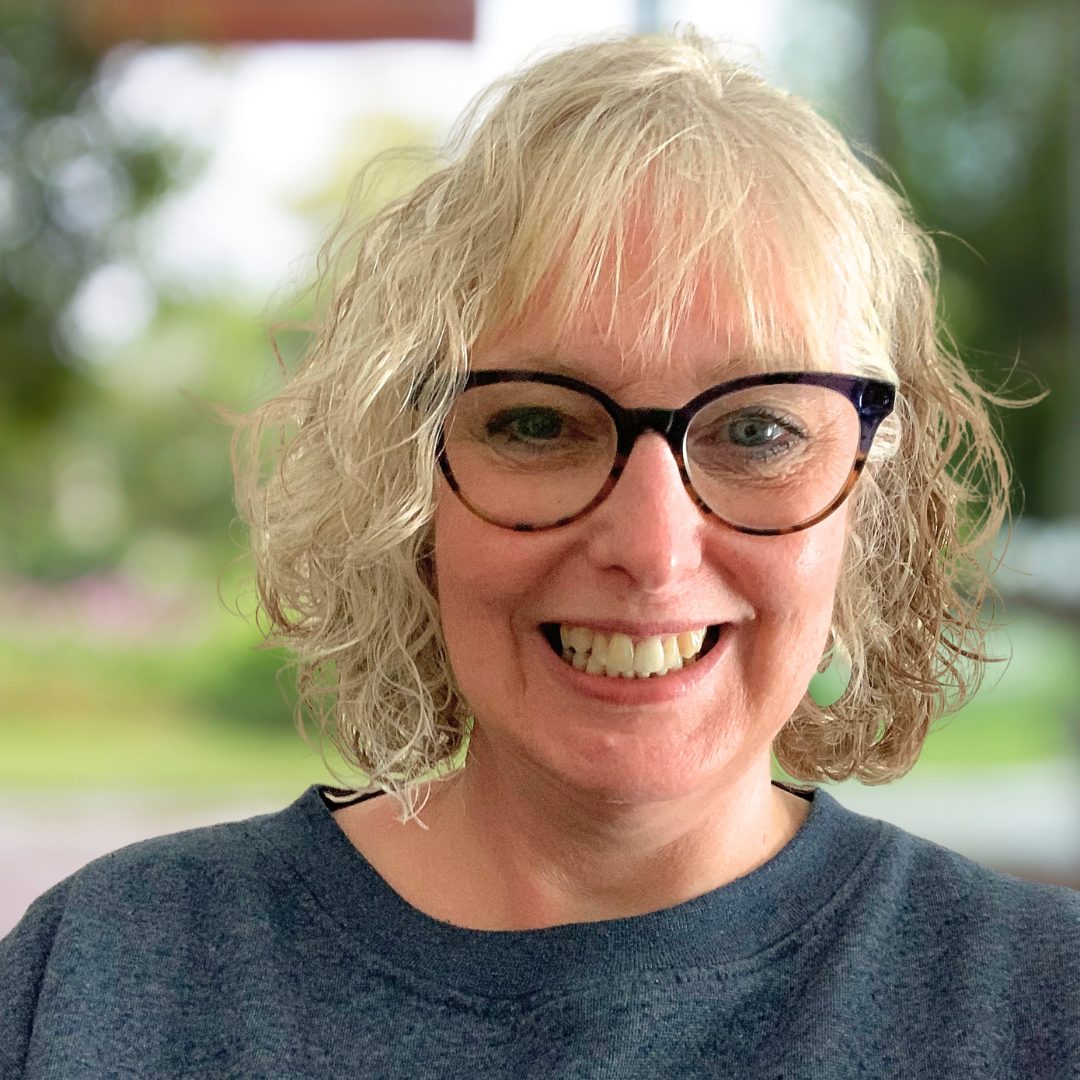
The most rewarding part of my work is realizing that what I do is deeply personal and gives me the rare opportunity to connect with people from every walk of life. It is an honor to walk alongside you in your healing journey and support you as you move toward greater clarity, connection, and emotional well-being.
I approach therapy through an attachment lens, helping you understand how your past experiences shape your current relationships, emotions, and behaviors. I am trained in Emotion Focused Therapy (EFT), anger management, trauma-informed care, and substance use treatment. My goal is to create a safe, steady space where you can explore your experiences, identify your needs, and begin building more secure and fulfilling relationships. I believe that when you feel emotionally safe, meaningful change becomes possible.
I work with:
Couples seeking deeper connection or healing after conflict
Families navigating relational stress or communication challenges
Adolescents facing emotional or behavioral concerns
Individuals working through trauma, anger, substance use, or relationship difficulties
Many people come to therapy feeling overwhelmed, stuck, or disconnected—from themselves or from the people they care about most. You may be carrying pain from past experiences, struggling to manage intense emotions, or feeling unsure how to break patterns that no longer serve you. Reaching out for support is not a weakness; it is a sign of strength and courage. Your experiences make sense in the context of your life, and you deserve a space where you can be heard without judgment.
In sessions, I may incorporate attachment-based work, emotion-focused techniques, trauma-informed care, and practical tools for emotional regulation and communication. Together, we will work at a pace that feels comfortable for you, honoring your story while helping you move toward growth.
My mission is to support you in healing and developing healthier, more secure relationships by providing a safe therapeutic environment where you can explore how your past influences your present. You do not have to navigate this alone—I am here to walk with you as you build stronger connections and a more grounded, fulfilling life.
If it’s not about the food, what is it really about?
The eating disorder serves a function, it does a job. Despite the problems an eating disorder creates, it is an effort to cope, shield against, communicate, and solve problems. Behaviors may be a way to establish a sense of power or control, self-worth, strength, and containment. Bringing may be used to numb pain. Purging may be a way to release emotions. When one cannot cope in healthy ways, adaptive functions (behaviors) are created to ensure a sense of safety, security, and control.
According to Carolyn Costin*, some of the “adaptive functions that eating disorder behaviors commonly serve are”:
Comfort, soothing, nurturance
Numbing, sedation, distraction
Attention, a cry for help
Discharge of tension, anger, rebellion
Predictability, structure, identity
Self-punishment or punishment of "the body"
Self-cleansing or self-purification
Protection or safety (through creation of a small or large body)
Avoidance of intimacy
Proof for self-blame instead of blaming others (for exampl, abusers)
It’s not about the food, it’s a way of coping with low self-esteem, negative emotions, physical, emotional, and sexual abuse, unstable home, difficulty resolving conflict and much more.
*Costin, Carolyn. The Eating Disorder Sourcebook: A Comprehensive Guide to the Causes, Treatments and Prevention of Eating Disorders. 3rd. edition, McGraw Hill, 2007.
Fuller, Kristen. “Eating Disorders: It’s Not All about Food.” Psychology Today, Sussex Publishers, 22 Mar. 2017