
Faith-Integrated Therapy
Where Emotional Healing Meets Spiritual Depth
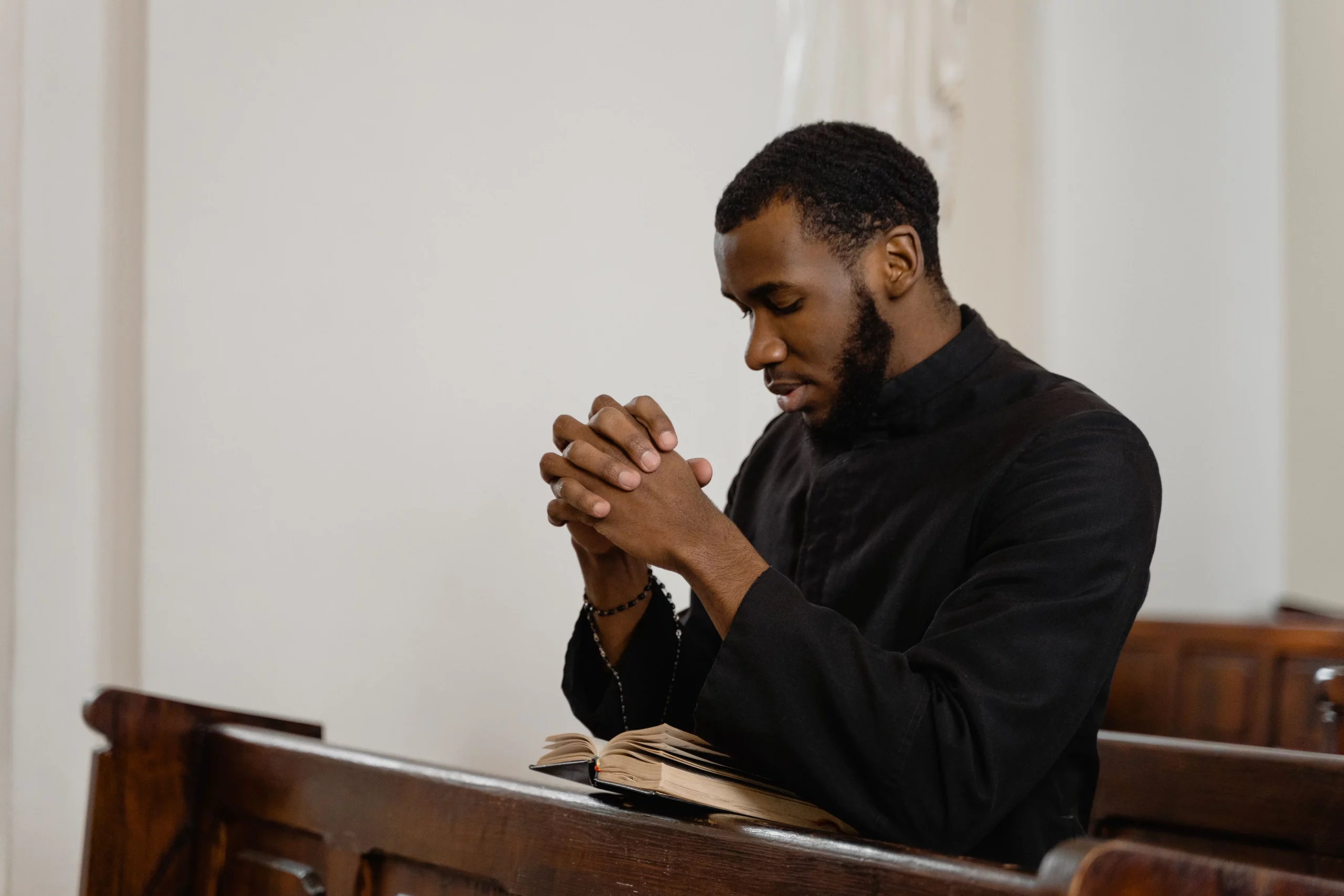
For many of our clients, faith isn’t separate from life – it is the framework through which life is understood. We honor that.
Whether your faith is a source of strength, confusion, or both – it deserves to be welcomed in the therapy room. At Arizona Connection Counseling, we offer a safe, respectful space for clients who want their beliefs to be seen, heard, and integrated into their mental health journey.
Faith as a Core Source of Meaning, Hope, and Purpose
Faith often shapes how we understand ourselves, others, and the world. It can offer meaning in suffering, direction during uncertainty, and hope in the darkest seasons.
“Faith connects to mental health at its core because it often gives you meaning and purpose in life.”
Our therapists honor the unique role your beliefs play in how you process pain, navigate relationships, and pursue growth. Whether you’re leaning into your faith or learning to trust it again, we’ll meet you with openness – not agenda.
Faith-Based Practices as Emotional Regulation Tools
Spiritual disciplines like prayer, worship, scripture, or meditation aren’t just practices of devotion – they can also be deeply regulating to the nervous system.
“Prayer, worship, and other spiritual activities help with mental health because they trigger the relaxation response.”
We welcome these practices as part of your emotional toolkit, when they feel supportive to you. You won’t be asked to leave your spirituality at the door. In fact, we believe it can be a powerful asset to your healing.
You Might Be Seeking Faith-Integrated Therapy If:
- Wanting therapy that aligns with your beliefs
- Grief, anxiety, or identity shifts that affect your sense of faith
- Fear of judgment or not being “enough”
- Feeling stuck between personal growth and faith traditions
- Grief, anxiety, or identity shifts that affect your sense of faith
- Spiritual or religious trauma
How Therapy Can Help:
- You want therapy that honors your Christian values or spiritual beliefs
- Rebuild trust and connection with yourself, others, or your concept of God
- Make peace with doubt, obsessive worry over religious issues, or past church hurt
- You’re working through faith deconstruction, religious trauma, or scrupulosity
- You’re navigating grief, addiction, shame, or family struggles in a faith context
- Unpack the impact of spiritual or cultural expectations
Rooted or Wrestling – You’re Welcome Here
“Whether you’re rooted in your faith or wrestling with it, we create space for your spiritual process without pressure or agenda.”
Some clients come to therapy in a strong season of faith. Others come unsure, hurt, or questioning everything. Both are welcome. We walk with clients who are deconstructing, rebuilding, or simply trying to make peace with their spiritual story.
You Don’t Have to Share a Faith to Be Respected
“The right therapist doesn’t need to share your faith to honor and work with it.”
Our therapists come from a variety of backgrounds. But every member of our team is trained to support spiritual integration in an open, respectful, and compassionate way.
“We won’t preach to you – and we won’t pathologize your beliefs. Whether or not we share your faith tradition, our goal is to honor and integrate the things that matter most to you.”
A Safe Space for Spiritual Expression
“Your therapist should never impose their own beliefs or make you feel judged because of your religion.”
You deserve a space where your beliefs are respected – not dismissed or imposed upon. We’re here to walk with you, not correct you. Whether your healing includes prayer, scripture, processing church hurt, or rebuilding your sense of purpose – we’re here for it.
Faith-Affirming. Spiritually Inclusive.
“We work with clients from all spiritual paths – including Christian, LDS/Mormon, Jewish, Muslim, Buddhist, and those still exploring or deconstructing.”
Faith-integrated therapy at Arizona Connection Counseling isn’t one-size-fits-all. We listen closely to what your beliefs mean to you – and how they can support your emotional health and healing.
If you’re looking for a therapist who honors the full picture of who you are – body, mind, and spirit – we’d love to meet you.